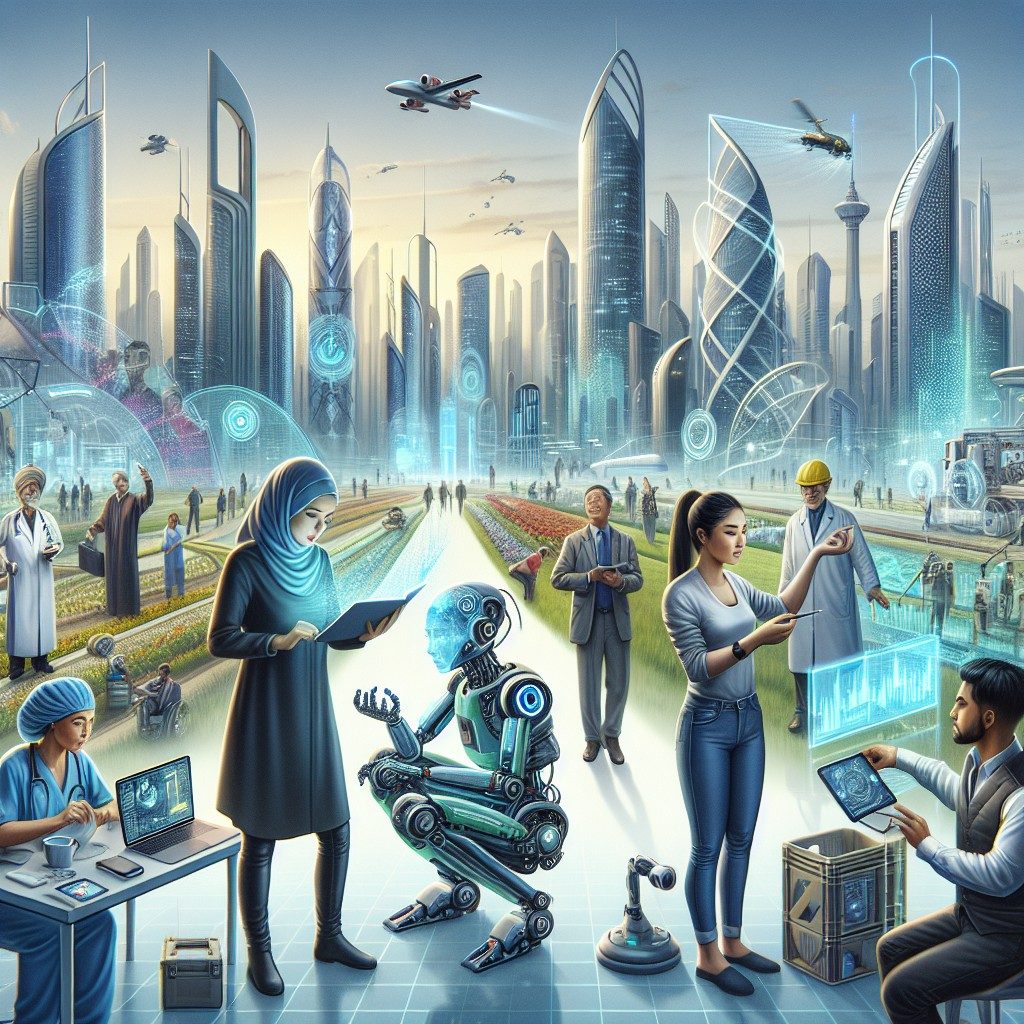
As the global economy continues to evolve, new insights into employment statistics reveal significant shifts expected by the year 2026. These changes, driven by technological advancements and demographic trends, will have profound implications for the workforce across various sectors.
Technological Impact on Job Markets
The increasing integration of artificial intelligence and automation in the workplace is poised to reshape job markets worldwide. Employment statistics indicate that while some jobs may become obsolete, new roles are expected to emerge in tech-driven industries. According to a recent report by the World Economic Forum, the demand for skilled professionals in fields like data analysis, cybersecurity, and software development is set to surge. This suggests a growing need for training programs aimed at equipping current and future workers with the necessary competencies to thrive in a digitized economy.
Demographic Shifts and Workforce Aging
Another critical aspect highlighted in the latest employment statistics is the aging workforce. As the population in many countries continues to age, there is an anticipated increase in retirements, particularly in sectors such as healthcare, education, and manufacturing. This demographic shift poses both challenges and opportunities. Employers will need to consider succession planning and knowledge transfer strategies to maintain productivity levels. Additionally, there is likely to be a greater emphasis on attracting younger talent to fill these gaps.
The Role of Remote Work in Future Employment Trends
The COVID-19 pandemic has catalyzed the acceptance of remote work, which is expected to remain a prominent feature of the job market in 2026. Employment statistics from various labor organizations show a significant percentage of workers expressing a preference for hybrid models of employment. Companies are increasingly adopting flexible work environments to retain talent, improve work-life balance, and enhance productivity. This shift towards remote work will likely necessitate changes in organizational policies and workplace culture, further influencing hiring practices across industries.
Conclusion
In summary, the evolving landscape of employment statistics speaks to a future shaped by technology, demographic trends, and evolving workplace norms. Organizations must adapt to these changes by investing in workforce development and revising their employment strategies to stay competitive. As we approach 2026, understanding these trends will be crucial for policymakers, businesses, and job seekers alike.
Frequently Asked Questions about Employment Statistics
What sources provide reliable employment statistics?
Reliable employment statistics can be sourced from government agencies like the U.S. Bureau of Labor Statistics and international organizations like the International Labour Organization, which offer comprehensive data on labor markets.
How do employment statistics impact economic policy?
Employment statistics are critical for informing economic policy by providing insights into labor market conditions, helping policymakers make informed decisions about unemployment benefits, job training programs, and economic stimulus measures.
Where can I find the latest employment statistics?
The latest employment statistics can be found on reputable financial news websites, government resources, and economic research institutions, reflecting current trends and forecasts in the job market.
Why are employment statistics important?
Employment statistics are important as they provide valuable insights into the health of the economy, inform job seekers about market opportunities, and help businesses plan for future workforce needs.
How often are employment statistics updated?
Employment statistics are typically updated monthly or quarterly, depending on the agency, with reports published on current employment trends, unemployment rates, and other relevant labor market information.