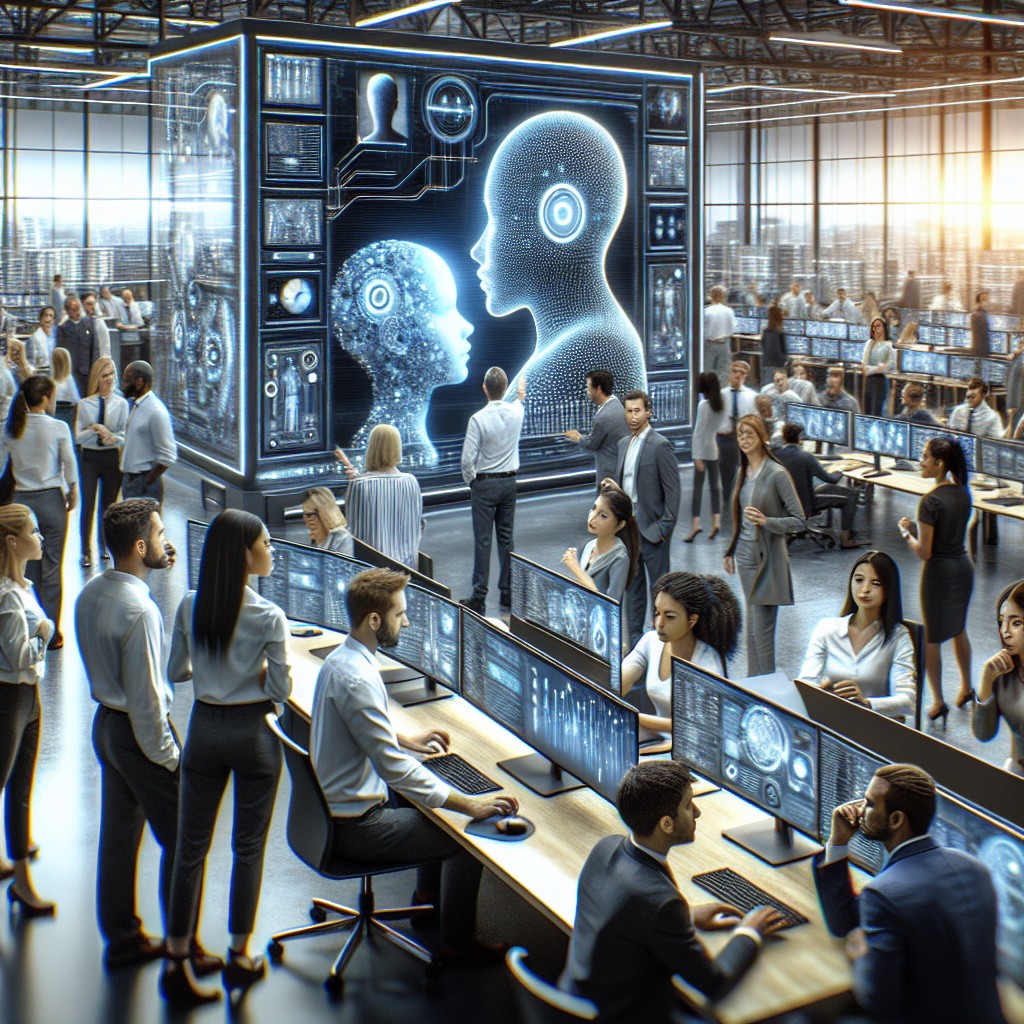
As artificial intelligence (AI) technologies continue to integrate into various industries worldwide, ensuring their safe and effective use has become a priority. Practical AI guardrails are emerging as essential tools to minimize errors and maintain operational integrity across diverse applications.
The growing importance of AI guardrails in global workplaces
Organizations harnessing AI systems face the challenge of balancing innovation with risk management. Errors in AI outputs can lead to significant consequences, from financial losses to compromised safety. Consequently, companies globally are investing in robust measures—known as AI guardrails—to monitor, regulate, and correct AI behavior in real time and through established protocols.
Defining practical AI guardrails and their roles
AI guardrails refer to the set of guidelines, controls, and technical safeguards implemented to prevent AI systems from producing harmful, biased, or erroneous outcomes. These include algorithmic constraints, ethical frameworks, continuous performance monitoring, and human oversight mechanisms. Their purpose is to ensure that AI behaves predictably and responsibly in complex and dynamic environments.
Implementation challenges across industries
Deploying effective AI guardrails varies by sector due to differing operational demands and regulatory landscapes. In healthcare, for example, AI guardrails focus on patient data privacy and diagnostic accuracy. In finance, they are designed to prevent fraudulent activities and maintain transparency. Manufacturing environments prioritize safety protocols and system reliability. Despite these differences, the core objective remains the same: reducing real-world AI errors that could have critical impacts.
Global regulatory trends supporting AI guardrails
Governments and international bodies increasingly recognize the necessity of AI guardrails. Regulatory frameworks such as the European Union’s AI Act propose clear standards for AI system accountability and risk mitigation. Meanwhile, organizations like the Organisation for Economic Co-operation and Development (OECD) promote principles for trustworthy AI. These efforts encourage the adoption of practical AI guardrails that are consistent and enforceable worldwide.
The role of human oversight in sustaining AI guardrails
Despite advancements in automation, human supervision remains a critical component of effective AI guardrails. Skilled professionals are instrumental in interpreting AI results, making judgment calls, and intervening when automated systems deviate from expected behaviors. Combining human expertise with technical controls fosters a resilient environment that mitigates the risks of AI-induced errors in real-world applications.
As the use of AI technologies expands across sectors and borders, implementing practical AI guardrails is vital to prevent errors that can have serious consequences. These guardrails, supported by evolving regulations and human oversight, provide a foundation for responsible AI deployment. Looking ahead, the development of standardized, adaptable guardrails will likely play a key role in ensuring AI systems deliver dependable outcomes globally.
Frequently Asked Questions about AI guardrails
What are AI guardrails and why are they necessary?
AI guardrails are safety measures, rules, and controls that help prevent artificial intelligence systems from making errors, producing biased outcomes, or causing harm. They are necessary to ensure AI technologies operate safely and reliably in real-world settings.
How do AI guardrails reduce errors in different industries?
AI guardrails tailor controls to specific industry needs, such as data privacy in healthcare or fraud detection in finance, to monitor AI performance and correct problems promptly, thereby reducing errors and maintaining trust.
Are there international standards for AI guardrails?
While no single global standard exists, international organizations like the OECD provide guidelines and frameworks that encourage consistent and ethical implementation of AI guardrails across countries.
Can AI guardrails completely eliminate errors in AI systems?
AI guardrails significantly reduce the risk of errors but cannot completely eliminate them. Human oversight combined with continuous monitoring remains essential to manage unforeseen issues in AI operations.
What role do governments play in establishing AI guardrails?
Governments develop regulations and policies, such as the EU’s AI Act, to enforce accountability and risk mitigation in AI deployment, thereby encouraging organizations to implement effective AI guardrails.